

Huajuhong for Throat Care: Traditional Uses and Herbal Tea Ideas
Huajuhong is a Traditional Citrus botanical associated with Huazhou, Guangdong, and it has a long history of use in traditional botanical practices. When people search for Huajuhong for throat care, they are often interested in simple ways to prepare Huajuhong as an herbal tea rather than complicated recipes. Huajuhong has a distinctive citrus aroma, a naturally dried texture, and a traditional botanical character that makes it suitable for tea preparation and everyday wellness-oriented routines.
Huajuhong for throat care is usually discussed from a traditional-use perspective. It should not be presented as a medicine or as a replacement for professional medical advice. Instead, Huajuhong can be enjoyed as a traditional herbal tea ingredient with a pleasant citrus character. The following guide explains traditional uses, practical brewing methods, herbal tea ideas, ingredient combinations, storage methods, and useful tips for selecting quality Huajuhong.
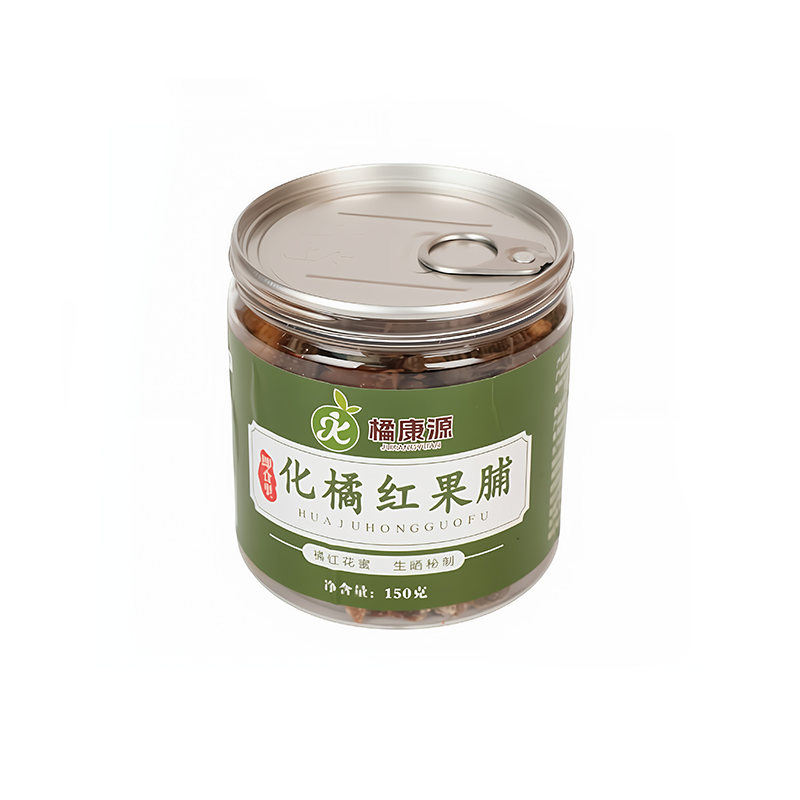
Huajuhong is a traditional dried citrus product associated with Huazhou in Guangdong. The material is related to Citrus grandis 'Tomentosa', a particular pomelo type traditionally connected with the Huazhou area. Huajuhong is commonly prepared from citrus fruit peel and processed into different forms, including whole fruit, sliced pieces, and other dried formats.
The appearance of Huajuhong can vary according to fruit maturity, processing method, aging period, and product format. Properly dried Huajuhong normally has a firm texture and recognizable citrus aroma. As Huajuhong is stored and aged, its appearance and aroma can gradually develop. These characteristics are important when selecting Huajuhong for traditional herbal tea.
For people interested in Huajuhong for throat care, the most practical format is often dried Huajuhong that can be divided into smaller pieces. Smaller pieces are convenient for measuring, brewing, and combining with other botanical ingredients. Whole Huajuhong can also be used, but it may require additional preparation before brewing.
Traditional uses are an important reason why Huajuhong remains popular in botanical tea applications. Historically, Huajuhong has been used as a traditional citrus botanical and prepared in different forms. Modern consumers may use Huajuhong as an herbal tea ingredient because it is easy to store, simple to brew, and naturally aromatic.
Huajuhong for throat care is best understood as a traditional wellness concept rather than a medical claim. People may choose Huajuhong Herbal Tea when they want a warm citrus drink, especially during dry seasons or as part of a comfortable evening routine. The warm liquid itself can also make the drinking experience pleasant.
Traditional uses of Huajuhong can include tea preparation, botanical combinations, household wellness routines, and specialty herbal products. The exact preparation can vary between families, tea shops, herbal product manufacturers, and different regional traditions.
There are several practical reasons people consider Huajuhong for throat care. First, Huajuhong has a natural citrus aroma that works well in hot water. Second, dried Huajuhong is relatively easy to store when protected from moisture. Third, the product can be prepared in small quantities, making it convenient for daily tea routines.
Another reason is flexibility. Huajuhong does not need an elaborate brewing process. A small amount of dried Huajuhong can be placed in a cup or teapot, followed by hot water. The drink can then be adjusted according to personal taste. Some people prefer a stronger citrus flavor, while others prefer a lighter infusion.
For Huajuhong for throat care, temperature also matters. Very hot water can produce a stronger and sometimes sharper citrus character, while slightly cooler water can provide a gentler drinking experience. There is no single correct method, so users can adjust the brewing process based on taste and the form of Huajuhong being used.
The simplest way to prepare Huajuhong is to use dried pieces and hot water. This method requires only a few basic items and can be completed in several minutes.
Start with clean, properly dried Huajuhong. For one cup, a small piece or several small slices are usually enough. The exact amount depends on the size of the pieces and the preferred strength. When preparing Huajuhong for throat care, beginners should start with a moderate quantity and increase it gradually if a stronger citrus flavor is preferred.
A quick rinse with warm water can remove loose surface particles from dried Huajuhong. This step is especially useful when the product has been stored for some time. Avoid soaking Huajuhong for too long before brewing because excessive soaking can weaken the natural aroma.
Place the Huajuhong into a clean cup, glass teapot, or ceramic teapot. Add hot water and allow the Huajuhong to infuse. A short first infusion can help open the dried material and release its citrus aroma.
Allow Huajuhong to steep for several minutes. A shorter steep produces a lighter drink, while a longer steep produces a stronger citrus character. When using Huajuhong for throat care, many people prefer a warm, mild infusion rather than an overly concentrated drink.
After the first infusion, taste the tea. If the flavor is too light, use slightly more Huajuhong or increase the steeping time. If the flavor is too strong, add more hot water. This simple adjustment makes Huajuhong easy to use for different preferences.
Huajuhong herbal tea is generally most enjoyable while warm rather than extremely hot. Let the tea cool to a comfortable drinking temperature. The natural citrus aroma can become more noticeable as the tea cools slightly.
Huajuhong can be used by itself, but it can also be combined with other traditional botanical tea ingredients. These combinations allow users to create different flavors without making the preparation complicated.
Honey is a familiar addition to many herbal teas. A small amount can soften the naturally citrus and slightly bitter character of Huajuhong. Add honey after the tea has cooled to a comfortable temperature. This combination is particularly suitable for people who prefer a naturally sweeter drink.
Ginger can add a warm, spicy note to Huajuhong herbal tea. A few thin slices of fresh ginger can be brewed together with dried Huajuhong. The combination creates a stronger aromatic profile and can be suitable for colder weather or an evening tea routine.
Dried jujube can provide a mild fruity sweetness when combined with Huajuhong. This combination creates a softer flavor and can be served as a household botanical tea. The amount of jujube can be adjusted according to taste.
Huajuhong can also be combined with other dried botanical ingredients used in traditional tea preparation. When developing a blend, it is better to begin with a small number of ingredients. Too many ingredients can make the flavor difficult to identify and may overpower the characteristic citrus aroma of Huajuhong.
There is no universal quantity for Huajuhong herbal tea because dried pieces vary in size, thickness, moisture content, and processing style. A small amount is usually sufficient for a single cup. For a larger teapot, the amount can be increased according to the volume of water and the desired flavor.
For Huajuhong for throat care, starting with a mild infusion is a practical approach. If the tea tastes too weak, additional Huajuhong can be added during the next brewing. This is easier than starting with a large quantity and ending up with an overly strong infusion.
| Brewing Style | Huajuhong Amount | Flavor Character |
|---|---|---|
| Light cup | Small amount | Soft citrus aroma |
| Regular cup | Moderate amount | Balanced citrus character |
| Strong tea | Higher amount | More pronounced citrus flavor |
| Large teapot | Adjusted to water volume | Suitable for sharing |
Yes, dried Huajuhong can often be infused more than once. The first infusion usually provides a noticeable citrus aroma. A second infusion may produce a lighter flavor, while later infusions can become increasingly mild. The number of useful infusions depends on the size and thickness of the Huajuhong pieces and the brewing temperature.
When using Huajuhong for throat care as part of a daily herbal tea routine, multiple infusions can be convenient because one portion can be enjoyed over several cups. If the aroma becomes weak or the taste changes noticeably, replace the used Huajuhong with fresh material.
Good Huajuhong should have a clean appearance, a recognizable citrus aroma, and a properly dried texture. Buyers should pay attention to cleanliness, dryness, packaging, and product consistency. Excessive moisture can affect storage stability, while poor packaging can expose dried citrus products to humidity and contamination.
For Huajuhong for throat care, product traceability and processing information are also worth considering. A reliable supplier should be able to explain the product origin, processing method, packaging format, and quality inspection process. This information is particularly important for wholesalers, retailers, herbal tea businesses, and overseas buyers.
Huajuhong intended for commercial applications can be processed through controlled steps such as cleaning, drying, grading, inspection, and packaging. Standardized processing helps create more consistent appearance and handling characteristics between batches.
Huazhou is closely associated with traditional Huajuhong Production. The local growing environment, traditional processing knowledge, and long history of use contribute to the identity of Huajuhong. For buyers looking for Authentic Huajuhong, origin information is an important part of product selection.
Modern Huajuhong production can combine traditional processing concepts with more controlled agricultural and manufacturing practices. Standardized planting, careful harvesting, drying, grading, inspection, and moisture-resistant packaging can help maintain product consistency while preserving the recognizable characteristics of the traditional botanical product.
For Huajuhong for throat care and herbal tea applications, origin should be considered together with processing and storage. A product with clear origin information and suitable packaging is easier for consumers and commercial buyers to understand.
The quality of Huajuhong begins before the tea reaches the cup. Carefully selected citrus material is cleaned and processed before drying. Depending on the final product specification, the material may be cut into slices or prepared in another convenient format.
Drying is an important stage because excess moisture can affect storage. After drying, Huajuhong can be graded according to appearance, size, and other agreed specifications. Quality inspection can include appearance, cleanliness, dryness, slice size, packaging condition, and other product requirements.
For commercial Huajuhong, modern dust-controlled production environments can provide additional control during processing and packaging. Proper packaging is especially important for Southeast Asian distribution because dried botanical products need protection from humidity during storage and transportation.
Huajuhong does not have to be reserved for special occasions. A simple cup of Huajuhong herbal tea can become part of a normal household tea routine. Some people enjoy it in the morning, while others prefer it after meals or in the evening.
When using Huajuhong for throat care, the main practical benefit of the tea routine is its simplicity. A few dried pieces, hot water, and a clean cup are enough. There is no need for complicated equipment. A glass teapot can be useful when serving several people because the color and dried citrus pieces can be viewed during brewing.
Huajuhong can also be served as a warm beverage when entertaining guests. Its citrus aroma gives the tea a distinctive character, while the simple preparation makes it suitable for both household and hospitality settings.
Interest in traditional botanical products continues to create opportunities for Huajuhong in Southeast Asian markets. Vietnam, Thailand, Malaysia, Indonesia, and Singapore have diverse tea and herbal product cultures, creating potential applications for dried citrus ingredients and botanical tea products.
Huajuhong for throat care can be positioned as a traditional botanical tea concept rather than a medical product. For retailers and distributors, product presentation should clearly explain the traditional use, preparation method, ingredient information, origin, packaging, and storage requirements.
Wholesale Huajuhong can be supplied in different formats according to market requirements. Options may include bulk dried material, sliced products, retail-ready packaging, gift packaging, and customized private-label packaging. Packaging selection should consider humidity protection, transportation conditions, retail presentation, and local market requirements.
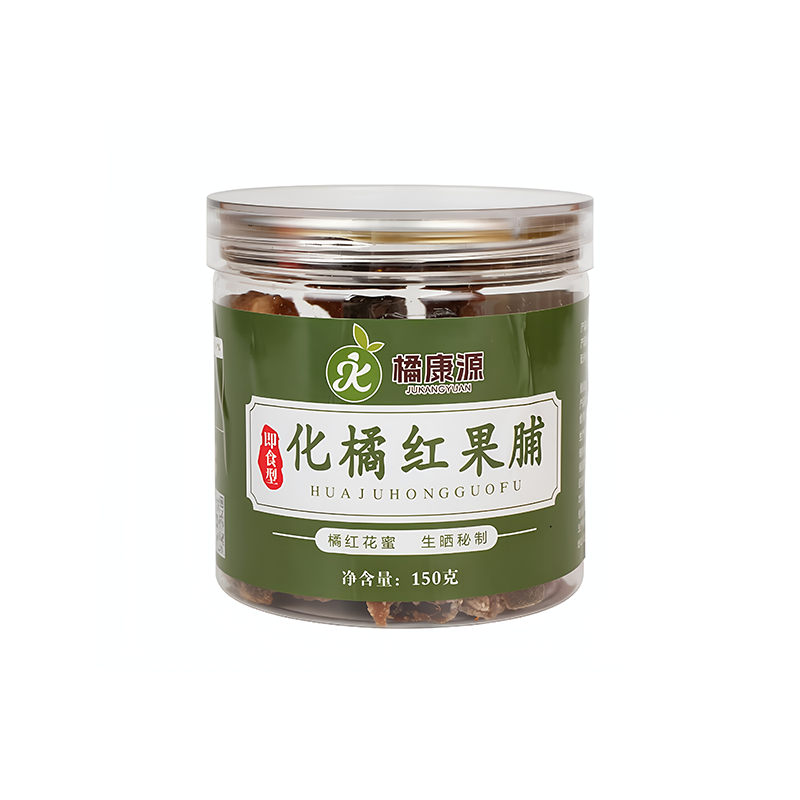
Correct storage is important for maintaining the quality of dried Huajuhong. Keep Huajuhong in a clean, dry, cool place away from direct sunlight and excessive humidity. After opening, close the package properly to reduce exposure to moisture and outside odors.
For larger quantities, moisture-resistant inner bags and suitable outer cartons can provide additional protection. Retail products should remain sealed until use. If Huajuhong develops an unusual smell, visible moisture, or other signs of deterioration, it should not be used.
For Huajuhong for throat care, good storage is just as important as good brewing. Even a high-quality dried botanical product can lose its desirable characteristics when exposed to unsuitable storage conditions for extended periods.
Adding too much Huajuhong can make the tea stronger than expected. Start with a moderate quantity and adjust the next cup according to taste.
Very hot water is not always necessary. Extremely high temperatures can make the drink taste sharper. Use hot water at a comfortable brewing temperature and allow the finished tea to cool before drinking.
A long steep does not automatically produce better Huajuhong herbal tea. Extended brewing may create a stronger and less balanced flavor. Start with a shorter infusion and increase the time if needed.
Leaving dried Huajuhong exposed to humid air can reduce product quality. Always keep the material properly sealed after use.
Huajuhong can be adapted to different drinking occasions. A small cup with a light infusion works well for personal daily use. A larger teapot can be prepared when family members or guests are sharing the drink. Gift-oriented Huajuhong products can combine carefully prepared slices with attractive packaging.
For business buyers, Huajuhong can also be developed into herbal tea products, botanical blends, specialty food products, and wellness-oriented retail items. The final product format can be adjusted according to customer requirements, including portion size, packaging material, label design, and order quantity.
Huajuhong has a history of traditional botanical use, and Huajuhong for throat care is a common way people describe its traditional wellness application. However, Huajuhong should not be marketed as a treatment for a medical condition. Consumers with persistent or serious symptoms should seek appropriate professional medical advice.
Use a small amount of clean dried Huajuhong, rinse briefly, place it in a cup or teapot, add hot water, and steep for several minutes. Adjust the amount and brewing time according to personal taste.
Yes. Honey can be added to Huajuhong herbal tea to create a naturally sweeter flavor. Allow the tea to cool to a comfortable temperature before adding honey.
Yes. Ginger can provide a warm, spicy flavor that contrasts with the citrus aroma of Huajuhong. A small amount is usually enough for a balanced herbal tea.
Store Huajuhong in a dry, cool place away from direct sunlight and humidity. Keep the packaging tightly closed after opening. Moisture-resistant packaging is particularly useful for long-distance transportation and humid climates.
Huajuhong can be supplied for herbal tea, traditional botanical products, specialty food applications, wellness-oriented products, retail, gifting, and wholesale distribution. Commercial buyers can select suitable sizes, quantities, and packaging specifications according to their market needs.
Huajuhong for throat care is best approached as a traditional botanical tea concept centered on simple preparation and everyday enjoyment. Huajuhong has a distinctive citrus aroma, a long history of traditional use, and a convenient dried form that works well for home brewing.
Preparing Huajuhong herbal tea does not require complicated equipment. A small amount of dried Huajuhong, hot water, and several minutes of steeping are enough to create a simple citrus herbal drink. Honey, ginger, jujube, and other botanical ingredients can be added when a different flavor profile is desired.
For consumers, the most important considerations are product quality, cleanliness, suitable drying, proper storage, and reasonable preparation. For commercial buyers, origin, processing consistency, packaging, inspection, order specifications, and transportation conditions should also be considered.
Huajuhong from Huazhou can therefore serve as both a traditional botanical ingredient and a practical herbal tea material. When presented accurately and used responsibly, Huajuhong for throat care provides a straightforward way to explore traditional citrus tea culture while keeping preparation simple, natural, and suitable for modern daily routines.
Copyright @ Xiangyun Platform Information Technology Co., Ltd All rights reserved Filing Number: CP Reserve123456789-1
Powered by Xiangyun Platform Technical Support: Xiangyun Platform Disclaimer Website Map | RSS | XML
ဆိုက်မြေပုံကျွန်ုပ်တို့၏ဝဘ်ဆိုက်တွင် အကောင်းဆုံးအတွေ့အကြုံကို ရရှိစေရန်အတွက် ဤဝဘ်ဆိုဒ်သည် ကွတ်ကီးများကို အသုံးပြုပါသည်။
 English
 Español
 Portugues
 Pусский
 Français
 Deutsch
 日本語
日本語 한국어
한국어 العربية
 Italiano
 ไทย
ไทย Indonesia
 Melayu
 Tiếng Việt
 中文
中文 Magyar
 ພາສາລາວ
 Filipino
 ខ្មែរ
ខ្មែរ


မှတ်ချက်
(0)